


Melasma
Melasma doesn't respond to guesswork. As a Board-Certified Plastic Surgeon who treats it daily in Beverly Hills, I can tell you that the patients who see real improvement have one thing in common: they're using the right combination of ingredients, consistently, with broad-spectrum SPF applied every single day without exception.
That's what this collection is built around. Every product here has been selected for its clinical evidence and its place in a layered treatment protocol — not because it has a pretty label.
What causes it? Melasma is driven by melanocyte overactivity — those are the pigment-producing cells that go into overdrive in response to UV exposure, hormonal shifts (pregnancy, oral contraceptives), and even heat. The result is the brown or gray-brown patches that typically appear on the cheeks, upper lip, forehead, and chin. It's one of the more stubborn conditions to treat precisely because it has multiple triggers operating at once.
The good news: with the right topicals, it responds.
— Dr. Sheila Nazarian, Board-Certified Plastic Surgeon, Beverly Hills

-
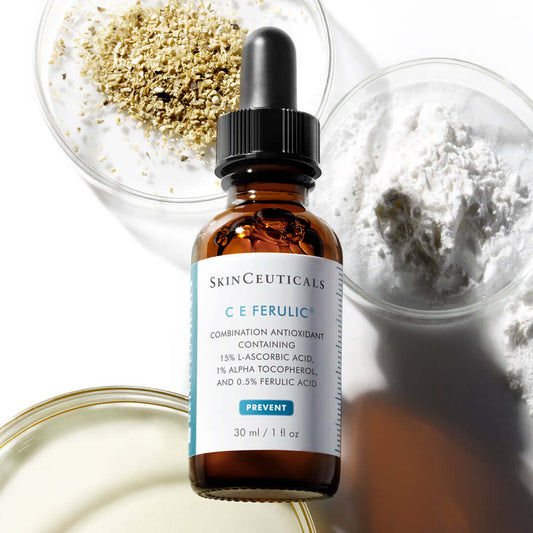

SkinCeuticals C E Ferulic Vitamin C Serum for Visible Anti-Aging Results
Vendor:SkinceuticalsRegular price $185.00Unit price per -

Revision Skincare Papaya Enzyme Cleanser
Vendor:RevisionRegular price $45.00Unit price per -

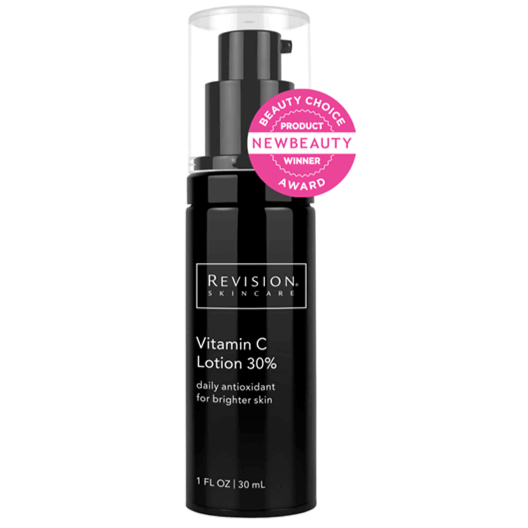
Revision Skincare Vitamin C Lotion 30%
Vendor:RevisionRegular price $146.00Unit price per -


SkinMedica AHA/BHA Exfoliating Cleanser
Vendor:SkinMedicaRegular price $48.00Unit price per -


SkinCeuticals Phloretin CF Antioxidant Serum for Even Skin Tone
Vendor:SkinceuticalsRegular price $185.00Unit price per -

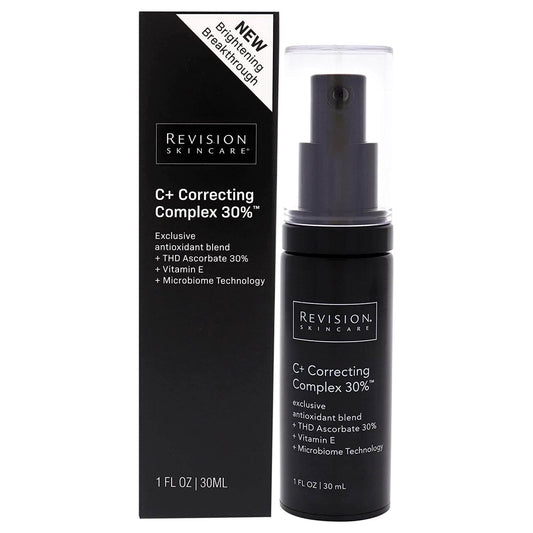
Revision Skincare C+ Correcting Complex 30% Serum
Vendor:RevisionRegular price $185.00Unit price per -


Alastin Skincare HydraTint Pro Mineral Broad Spectrum Sunscreen SPF 36
Vendor:Alastin SkincareRegular price $79.00Unit price per -

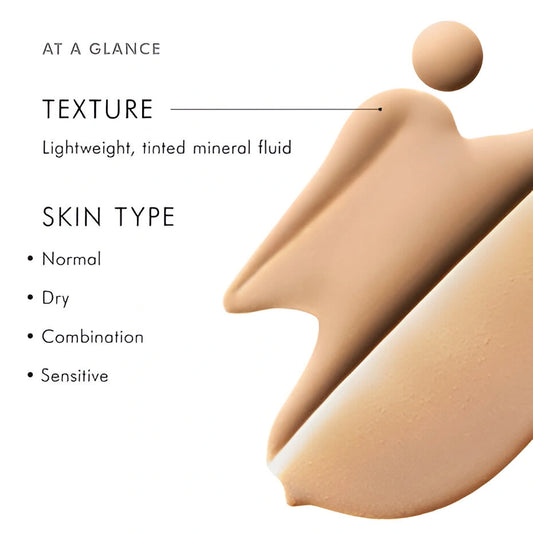
SkinCeuticals Physical Fusion SPF 50 Mineral Sunscreen
Vendor:SkinceuticalsRegular price $45.00Unit price per -

 Sold out
Revision Skincare Brightening Facial Wash – Exfoliating Cleanser
Vendor:RevisionRegular price $45.00Unit price perSold out -
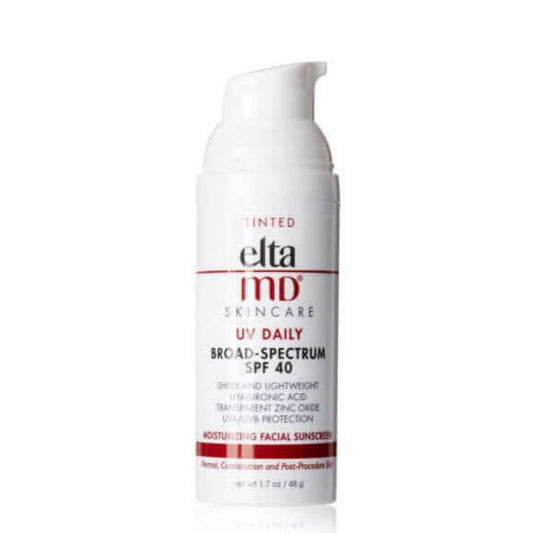
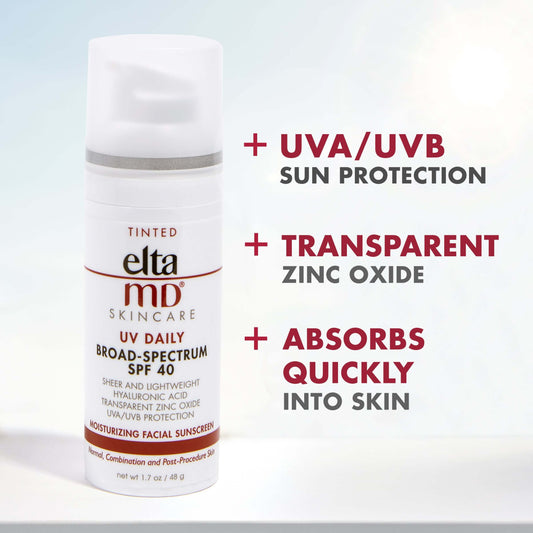
EltaMD UV Daily SPF 40 Tinted
Vendor:EltaMDRegular price $42.00Unit price per -


SkinCeuticals Discoloration Defense Dark Spot Serum
Vendor:SkinceuticalsRegular price $115.00Unit price per -

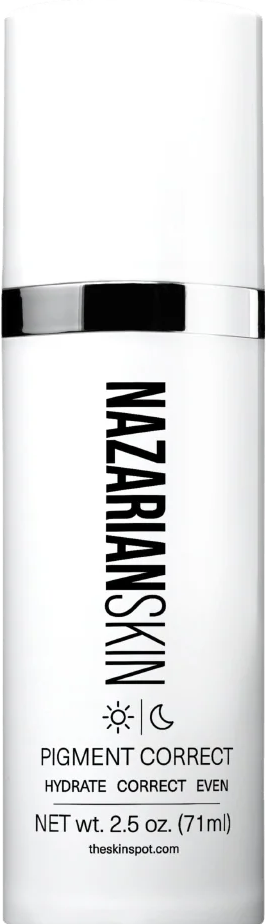
NazarianSkin Pigment Correct Antioxidant Peptide Cream
Vendor:NazarianSkinRegular price $98.00Unit price per -

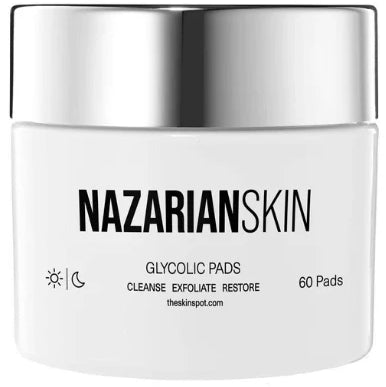
NazarianSkin Glycolic Pads – Antioxidant Deep Cleansing Pads
Vendor:NazarianSkinRegular price $68.00Unit price per -

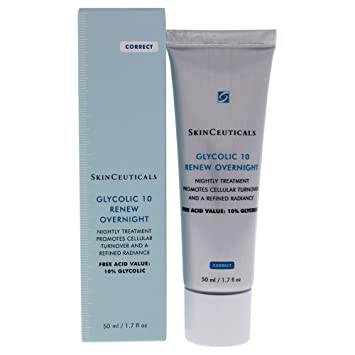
SkinCeuticals Glycolic 10 Renew Overnight Night Treatment
Vendor:SkinceuticalsRegular price $96.00Unit price per -


NazarianSkin Brighten 20% Vitamin C Serum – Brightening Antioxidant Treatment - 1 FL OZ
Vendor:NazarianSkinRegular price $158.00Unit price per -
NazarianSkin Brighten 20% Vitamin C Serum – Brightening Antioxidant Treatment - 7 ML Travel Size
Vendor:NazarianSkinRegular price $40.00Unit price per -
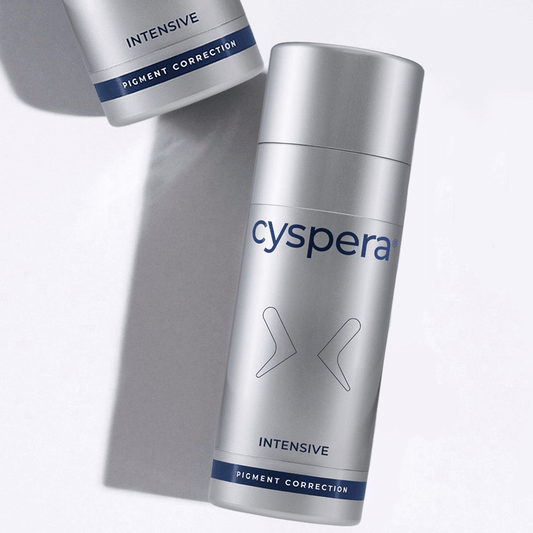
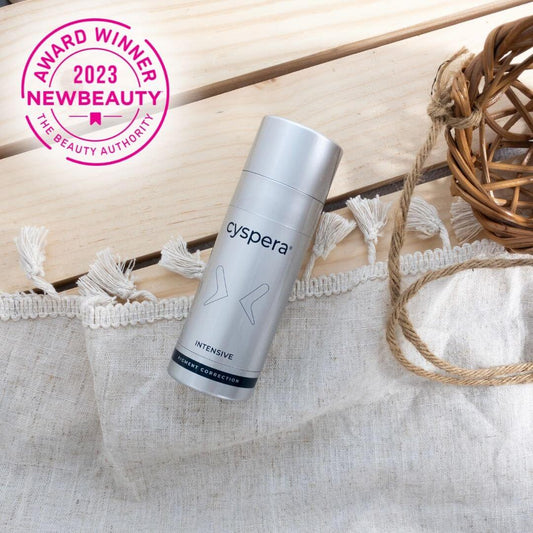
Cyspera Intensive 7%
Vendor:ScientisRegular price $179.00Unit price per -

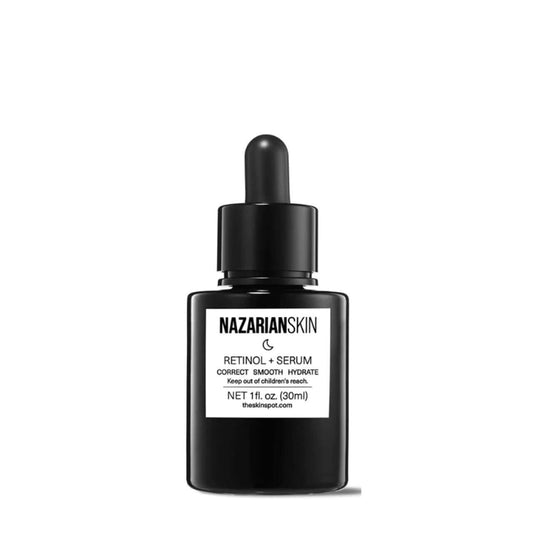
NazarianSkin Retinol+ Serum – Bakuchiol Skin Treatment
Vendor:NazarianSkinRegular price $310.00Unit price per -
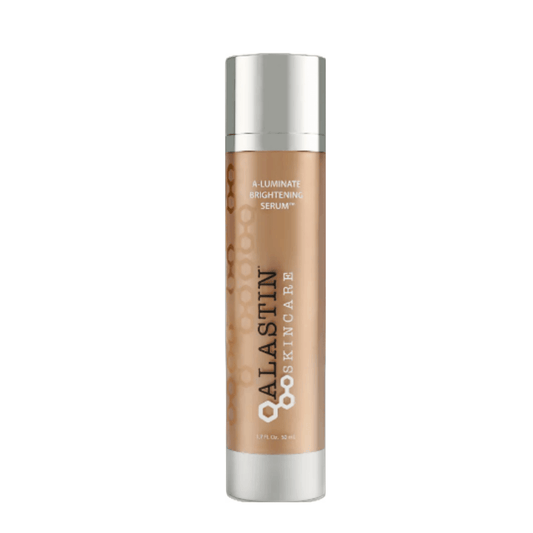

Alastin Skincare A-LUMINATE Brightening Serum
Vendor:Alastin SkincareRegular price $182.00Unit price per -
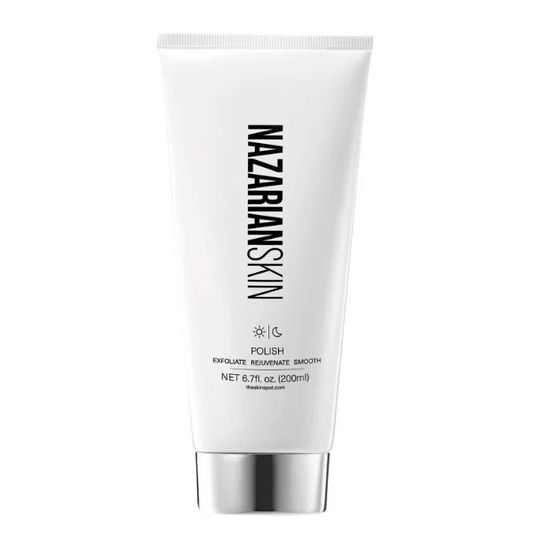
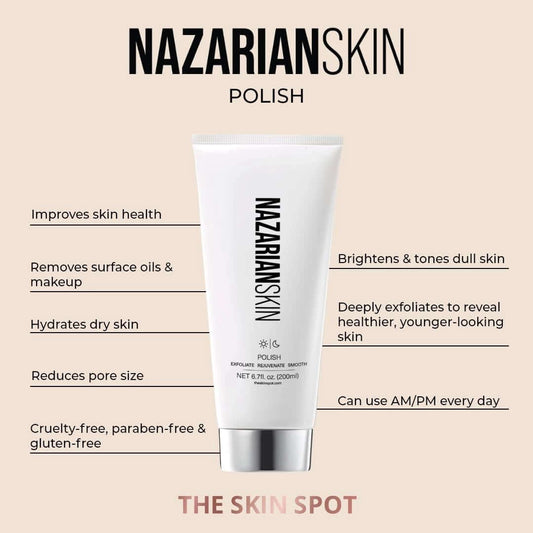
NazarianSkin Polish – Exfoliating Glycolic & Salicylic Scrub
Vendor:NazarianSkinRegular price $69.00Unit price per -

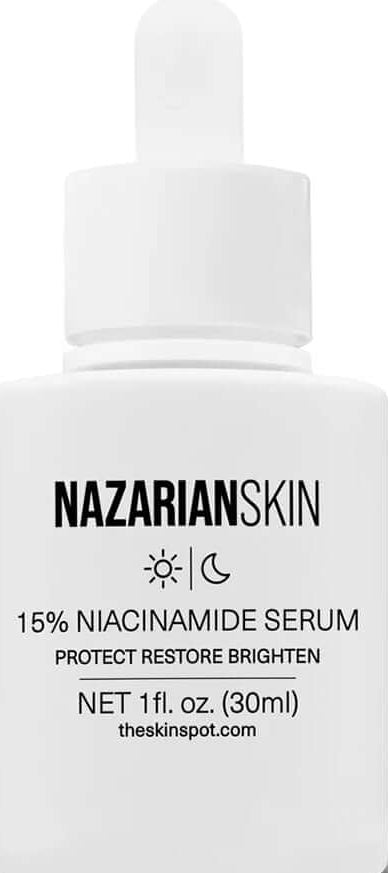
NazarianSkin 15% Niacinamide Brightening Serum
Vendor:NazarianSkinRegular price $215.00Unit price per -

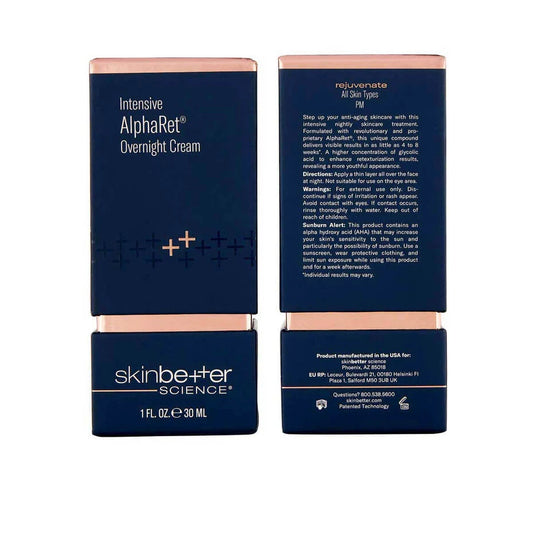
SkinBetter Science Intensive AlphaRet Overnight Cream
Vendor:SkinBetter ScienceRegular price $145.00Unit price per -

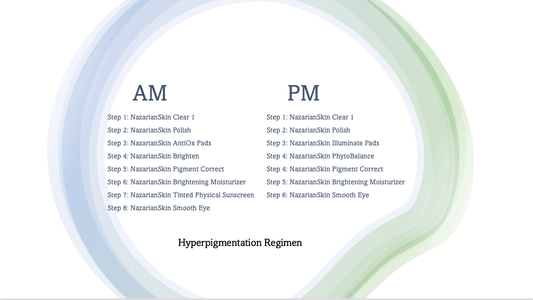
NazarianSkin Hyperpigmentation Regimen
Vendor:NazarianSkinRegular price $1,128.00Unit price per


How to Choose the Right Melasma Product
The mistake most people make is reaching for a single "melasma cream" and expecting it to do everything. Melasma treatment works in layers — each product targets a different part of the pigmentation cascade.
Serums (Vitamin C, Niacinamide, Tranexamic Acid) These are your workhorses. A well-formulated vitamin C serum like SkinCeuticals C E Ferulic or the NazarianSkin Brighten 20% Vitamin C inhibits tyrosinase — the enzyme responsible for triggering excess melanin production. Niacinamide works differently: it interrupts the transfer of melanin to skin cells rather than stopping production. Both are worth using, and they work well together.
Exfoliants (Glycolic Acid, AHA/BHA) Melasma sits deeper than surface dead skin, but regular chemical exfoliation accelerates cell turnover, pushing pigmented cells up and out faster. The NazarianSkin Glycolic Pads and SkinCeuticals Glycolic 10 Renew Overnight are formulated specifically for this — they resurface without compromising the barrier, which matters for melasma-prone skin that tends toward inflammation.
Retinol Retinol accelerates the turnover rate of pigmented cells and enhances the penetration of your other actives. The NazarianSkin Retinol+ Serum pairs retinol with bakuchiol for patients who find straight retinol too sensitizing — a consideration that matters for melasma, since irritation can actually worsen pigmentation.
Sunscreen — Non-Negotiable No melasma protocol works without it. UV exposure doesn't just cause new patches — it reactivates existing ones. A mineral-based broad-spectrum SPF 30 or higher applied every morning (and reapplied) is the single most important step. The SkinCeuticals Physical Fusion SPF 50 and EltaMD UV Daily SPF 40 Tinted both provide mineral UV filters while offering a skin-tone-evening tint — practical for daily wear.
The Ingredients That Actually Move the Needle on Melasma
Curated by Dr. Sheila Nazarian, MD
Vitamin C (L-Ascorbic Acid) Inhibits tyrosinase activity and neutralizes free radical damage from UV exposure simultaneously. At 20%+ concentrations, it can visibly fade existing patches over 8–12 weeks of consistent use. Pairs well with ferulic acid for stability and enhanced antioxidant effect.
Cysteamine One of the newer and more promising alternatives to hydroquinone. Cyspera Intensive 7% uses cysteamine — a naturally occurring antioxidant found in human cells — to reduce pigmentation without the skin-thinning risk associated with long-term hydroquinone use. Clinical data shows comparable efficacy in studies over 16 weeks.
Glycolic Acid A well-established AHA that works on multiple levels: exfoliates the stratum corneum, accelerates the shedding of pigmented cells, and enhances penetration of other actives applied afterward. Most effective at concentrations of 8–12% in leave-on formulas.
Niacinamide (Vitamin B3) Prevents the transfer of melanosomes (melanin packets) from melanocytes to surrounding skin cells. Effective at concentrations of 5–15%. Also reduces post-inflammatory redness and supports barrier function — useful for skin sensitized by other actives.
Retinol / Retinoids Accelerate epidermal cell turnover, which physically removes pigmented cells faster. Also upregulates collagen synthesis and reduces the hyperkeratosis that can trap pigment in the upper dermis. Start low (0.025–0.05%) and build up slowly to avoid the rebound inflammation that can worsen melasma.
Mineral SPF (Zinc Oxide / Titanium Dioxide) Physical blockers that deflect UV light rather than absorbing it. Preferred over chemical filters for melasma because they also block visible light, which has been shown to stimulate melanocytes independently of UVA/UVB.
Dr. Nazarian's Recommended Melasma Routine
A Simple Melasma Routine That Works
You don't need ten products. Here's what I recommend as a foundation:
Morning
- Gentle cleanser (non-stripping)
- Vitamin C serum — apply to dry skin for maximum absorption
- Mineral SPF 30+ — reapply every 2 hours if outdoors
Evening
- Exfoliating cleanser 2–3x per week (Revision Papaya Enzyme or SkinMedica AHA/BHA on alternating nights)
- Retinol or targeted pigment serum (NazarianSkin Pigment Correct)
- Moisturizer to seal
One note: avoid using retinol and a strong exfoliant on the same night. Alternate them. The barrier disruption isn't worth the speed gain — and with melasma, an irritated barrier sets you back further than you'd expect.
Skin Products For Melasma
Reduce the appearance of Melasma, also called chloasma, with our depigmenting and hydrating skin products. Melasma is a harmless condition that produces brown patches or freckle-like spots on the skin and typically appears on the forehead, chin, cheeks, upper lip, or nose. It can affect any body part exposed to the sun, with symptoms worsening during the summer months.
Often called "the mask of pregnancy,” Melasma occurs due to the overproduction of pigment-producing cells. The appearance of Melasma can understandably make one self-conscious; however, treatments are available to reduce its appearance. Consult an experienced practitioner to devise a treatment plan tailored to your needs. The following factors are taken into consideration when creating a treatment plan for Melasma:
- Your skin tone
- How well the melasma extends into your skin
- Any triggers, including sunlight, oral contraceptive pills, or even stress.
A standard treatment plan often comprises
Sunscreen: The skin makes more pigment from sunlight, causing new patches of Melasma to form and the existing ones to darken. Wear a wide-brimmed hat outdoors and apply a mineral-based broad-spectrum sunscreen (SPF 30 or higher) throughout the day.
Medication and procedures: Your attending practitioner will prescribe a drug you can use at home to reduce excess pigmentation.
You may get one or a combination of
- Hydroquinone: As the gold standard for treating melasma, it is the most frequently prescribed depigmenting agent.
- Tretinoin and a mild corticosteroid work to even out the skin tone.
- Triple combination cream: This blend consists of tretinoin, a corticosteroid, and hydroquinone. It can treat mild to severe melasma.
- Other medications: Your attending practitioner might advise you to use milder medications such as azelaic acid, kojic acid, or vitamin C.
- Procedures: You might be encouraged to add a non-invasive procedure such as a Chemical peel, Microneedling, or Laser and light treatments to improve your results.
You can also use skin-safe camouflage makeup to hide your Melasma. At The Skin Spot, we offer a range of corrective and protective products such as sunscreen, sun protection gear, cosmetics, cleansers, serums, and moisturizers. Restore your skin tone and confidence with our plastic surgeon-approved collection.
Skin Products For Melasma FAQs
What is the best serum for melasma?
The most effective serums for melasma contain tyrosinase-inhibiting ingredients — primarily vitamin C (L-ascorbic acid), tranexamic acid, or niacinamide. A 20% vitamin C serum used consistently in the morning alongside daily SPF is considered a clinical gold standard for home treatment. Products like SkinCeuticals C E Ferulic and NazarianSkin Brighten 20% Vitamin C Serum are formulated at concentrations that match the research.
What is the best cream for melasma?
The most prescribed prescription option is triple combination cream (hydroquinone, tretinoin, corticosteroid). For over-the-counter alternatives, look for formulas containing niacinamide, kojic acid, or azelaic acid. Night creams with retinol like SkinBetter Science Intensive AlphaRet are a strong OTC option because they combine resurfacing with barrier support.
Is retinol good for melasma?
Yes. Retinol accelerates cellular turnover, which physically removes pigmented cells from the upper skin layers faster. It also makes the skin more receptive to other actives. The key is starting at a low concentration and increasing gradually — irritation from retinol can trigger post-inflammatory hyperpigmentation, which compounds melasma rather than treating it.
Is vitamin C serum good for melasma?
Vitamin C is one of the most evidence-backed topical ingredients for melasma. It inhibits the enzyme tyrosinase, which is required for melanin synthesis. It also provides antioxidant protection against UV-triggered melanocyte activation. A 2017 review in the Journal of Clinical and Aesthetic Dermatology supports topical vitamin C as a first-line adjunct treatment for melasma.
What SPF is best for melasma?
Mineral-based sunscreens using zinc oxide or titanium dioxide are preferred for melasma because they block visible light in addition to UVA/UVB radiation. Visible light — particularly high-energy visible (HEV) or blue light — independently stimulates melanocytes and can worsen melasma even on overcast days. SPF 30 is the minimum; SPF 50 is recommended for anyone with active patches.
How long does it take for melasma products to work?
Realistically, 8–12 weeks of consistent daily use before visible improvement. Melasma sits in the basal epidermis and sometimes the dermis — it takes multiple full skin cell cycles to surface those pigmented cells. Most patients see meaningful fading between weeks 6–16. Stopping treatment — or skipping SPF — can undo months of progress quickly.
Can melasma be treated at home without a prescription?
Yes, in many cases. OTC formulas containing vitamin C, niacinamide, kojic acid, glycolic acid, and retinol can produce significant improvement when used correctly and consistently. Cysteamine (Cyspera) is a prescription-strength alternative that is available through authorized medical skincare retailers. For severe or persistent melasma, a consultation with a board-certified dermatologist or plastic surgeon is recommended to discuss prescription-strength options.